
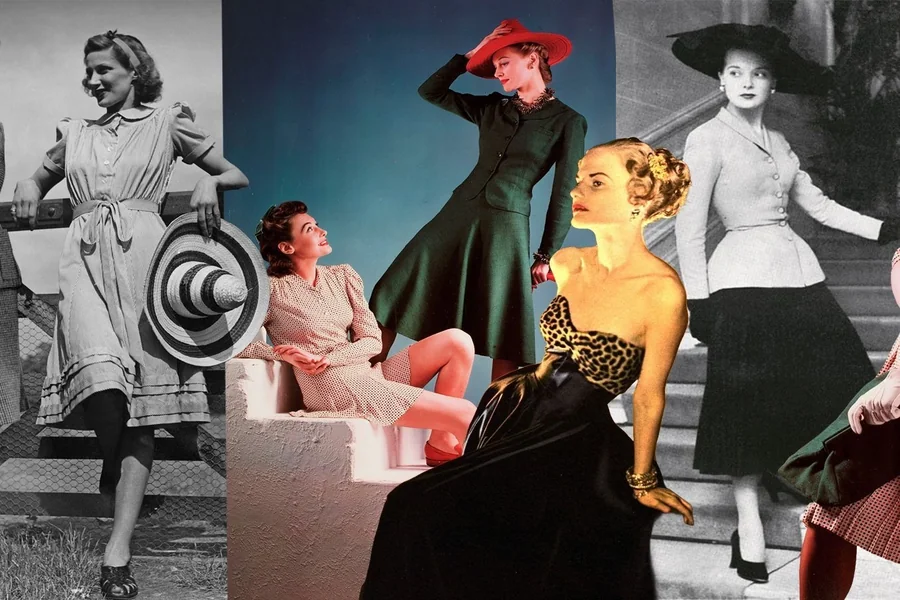
1930s American Fashion reflected a unique balance between elegance and practicality. The decade was shaped by economic hardship during the Great Depression, yet it also became an era of refined style inspired by Hollywood glamour and changing social values. Clothing evolved to meet the financial realities of everyday life while maintaining a polished appearance that appealed to people across different backgrounds.
Unlike the bold and carefree fashion of the 1920s, the 1930s introduced softer silhouettes, longer hemlines, and carefully tailored garments. Designers focused on creating flattering shapes that emphasized natural body lines instead of dramatic embellishments. At the same time, movies introduced audiences to glamorous stars whose wardrobes inspired millions of Americans.
Fashion during this period wasn’t only about appearance. It reflected resilience, creativity, and adaptability. Families often repaired, altered, and reused clothing to make it last longer, while manufacturers introduced affordable ready-to-wear collections that allowed more people to dress stylishly without spending excessively.
Today, many of the principles established during this decade continue to influence modern clothing, from tailored suits and bias-cut dresses to timeless accessories and sophisticated evening wear.
The Historical Influence Behind 1930s Fashion
The Great Depression had a profound effect on nearly every aspect of American life, including clothing. Financial uncertainty encouraged practical purchasing decisions, leading consumers to prioritize quality over quantity. Rather than buying many outfits, people invested in versatile garments that could be worn on multiple occasions.
Despite these economic challenges, fashion remained an important form of self-expression. Looking well-dressed represented confidence, optimism, and dignity during difficult times. Newspapers, fashion magazines, and department stores continued introducing seasonal trends, although they often emphasized affordability and durability.
Hollywood became one of the biggest fashion influences of the decade. Movie stars appeared in luxurious gowns, tailored suits, and elegant accessories that inspired everyday fashion. While many Americans couldn’t afford designer clothing, local dressmakers and ready-made manufacturers created similar styles at accessible prices.
Advancements in textile production also contributed to changing fashion. New synthetic fabrics provided affordable alternatives to expensive materials while maintaining an attractive appearance.
Women’s Fashion: Grace Meets Practicality
Women’s clothing during the 1930s shifted toward elegance with softer, more feminine silhouettes. Dresses became longer than those of the previous decade, often reaching mid-calf or ankle length. Waistlines returned to their natural position, creating a balanced and flattering figure.
One of the most significant innovations was the bias-cut dress. This cutting technique allowed fabric to drape naturally over the body, creating smooth lines without requiring excessive decoration. These dresses became especially popular for evening wear and formal occasions.
Day dresses were practical yet stylish. Floral prints, polka dots, stripes, and solid colors dominated wardrobes, while collars, buttons, pleats, and belts added visual interest without increasing production costs.
Outerwear also evolved. Tailored coats with broad shoulders, fitted waists, and structured lapels became common. Capes and long wool coats offered warmth while maintaining sophistication during colder months.
Accessories completed every outfit. Women frequently wore gloves, handbags, scarves, hats, and low-heeled shoes. These finishing touches added personality while remaining relatively affordable.
Hairstyles reflected the decade’s elegant aesthetic. Soft curls, finger waves, and neatly styled bobs complemented fashionable clothing and required relatively simple maintenance.
Men’s Fashion and the Rise of Tailored Sophistication
Men’s fashion emphasized sharp tailoring, comfort, and versatility. Suits remained essential for business, social events, and even many casual occasions.
Double-breasted jackets gained popularity, often featuring broad shoulders and slightly padded construction. High-waisted trousers with pleats created a polished appearance while providing greater comfort.
Three-piece suits, including matching waistcoats, remained common among professionals and businessmen. However, simpler two-piece suits became increasingly popular due to affordability and practicality.
Shirts typically featured wide collars paired with patterned or solid-colored neckties. Suspenders were frequently worn beneath jackets, although belts gradually became more common.
Casual wear also expanded during the decade. Knit sweaters, cardigans, sports jackets, and lightweight trousers offered comfortable alternatives for weekends and recreational activities.
Men’s footwear remained conservative, with leather Oxfords, brogues, and loafers dominating the market. Polished shoes reflected the importance placed on maintaining a neat appearance regardless of income level.
Hats remained an essential accessory. Fedoras, trilbies, and flat caps completed everyday outfits while adding a touch of sophistication.
Hollywood’s Lasting Impact on American Style
Few industries influenced fashion as much as Hollywood during the 1930s. Motion pictures provided audiences with an escape from economic hardship while showcasing glamorous wardrobes designed by leading costume designers.
Movie stars became fashion icons whose clothing inspired millions. Elegant evening gowns, luxurious fur coats, satin dresses, tuxedos, and sophisticated accessories quickly influenced department store collections across America.
Women admired flowing gowns worn by actresses during romantic films, while men adopted the tailored suits seen on leading actors. Even hairstyles and makeup trends spread rapidly through cinema.
Fashion magazines frequently analyzed celebrity wardrobes, offering affordable alternatives for readers. Department stores capitalized on this demand by advertising garments inspired by popular films and stars.
Although everyday Americans dressed more modestly than Hollywood celebrities, cinema helped maintain optimism and encouraged people to embrace stylish clothing despite financial limitations.
Fabrics, Colors, and Popular Accessories
Material selection reflected both economic realities and evolving fashion preferences. Wool, cotton, rayon, silk, and linen were among the most commonly used fabrics.
Rayon became especially popular because it offered the appearance of silk at a lower cost. Cotton remained essential for everyday clothing due to its durability and affordability.
Color palettes evolved throughout the decade. Soft neutrals, navy blue, beige, cream, forest green, burgundy, and pastel shades became fashionable for everyday wear. Evening attire often featured black, silver, deep blue, or rich jewel tones.
Accessories played a significant role in completing outfits.
Women’s accessories included:
- Structured handbags
- Leather gloves
- Decorative hats
- Pearl necklaces
- Brooches
- Scarves
- Compact mirrors
Men commonly wore:
- Leather belts
- Pocket watches
- Tie clips
- Cufflinks
- Felt hats
- Leather briefcases
These accessories allowed individuals to personalize relatively simple wardrobes while maintaining elegance.
How 1930s American Fashion Continues to Influence Modern Style
Many fashion elements introduced during the 1930s remain relevant today. Tailored blazers, high-waisted trousers, bias-cut dresses, structured coats, and classic accessories regularly appear in modern collections.
Vintage-inspired weddings frequently incorporate 1930s silhouettes because of their timeless elegance. Designers continue using flowing fabrics, clean tailoring, and understated details that originated during the decade.
Hollywood also continues drawing inspiration from this era for historical films and red-carpet fashion. Modern celebrities often wear gowns featuring bias cuts, satin fabrics, and graceful draping reminiscent of 1930s evening wear.
Sustainable fashion has also revived appreciation for the decade’s emphasis on quality and longevity. During the Great Depression, clothing was carefully maintained, repaired, and repurposed rather than discarded. Today’s growing interest in slow fashion echoes those same values.
The enduring appeal of 1930s American fashion lies in its balance of sophistication, practicality, and timeless design. Rather than relying on excessive ornamentation, it emphasized excellent tailoring and versatile garments that remain stylish decades later.
Final Thought
1930s American Fashion represents one of the most influential periods in clothing history. Shaped by economic challenges yet inspired by Hollywood elegance, the decade produced styles that combined beauty with practicality. Both men and women embraced refined tailoring, graceful silhouettes, and carefully selected accessories that reflected resilience as much as fashion.
Many of the era’s signature elements continue inspiring contemporary designers, proving that truly timeless style never goes out of fashion. Whether admired through vintage collections, historical films, or modern reinterpretations, the fashion of the 1930s remains a remarkable example of creativity during challenging times.
FAQs
What defined 1930s American fashion?
The decade featured elegant tailoring, natural silhouettes, longer hemlines, practical clothing, and strong Hollywood influence.
Why did fashion change during the 1930s?
Economic conditions during the Great Depression encouraged practical, durable clothing while Hollywood inspired glamorous styles for special occasions.
What fabrics were popular in the 1930s?
Common fabrics included wool, cotton, rayon, silk, and linen because they balanced affordability, durability, and style.
What were popular accessories during the 1930s?
Women often wore gloves, hats, handbags, scarves, and pearl jewelry, while men favored fedoras, ties, cufflinks, leather shoes, and pocket watches.
Does 1930s fashion still influence clothing today?
Yes. Modern designers continue incorporating tailored suits, bias-cut dresses, structured coats, vintage accessories, and timeless silhouettes inspired by the 1930s.
