
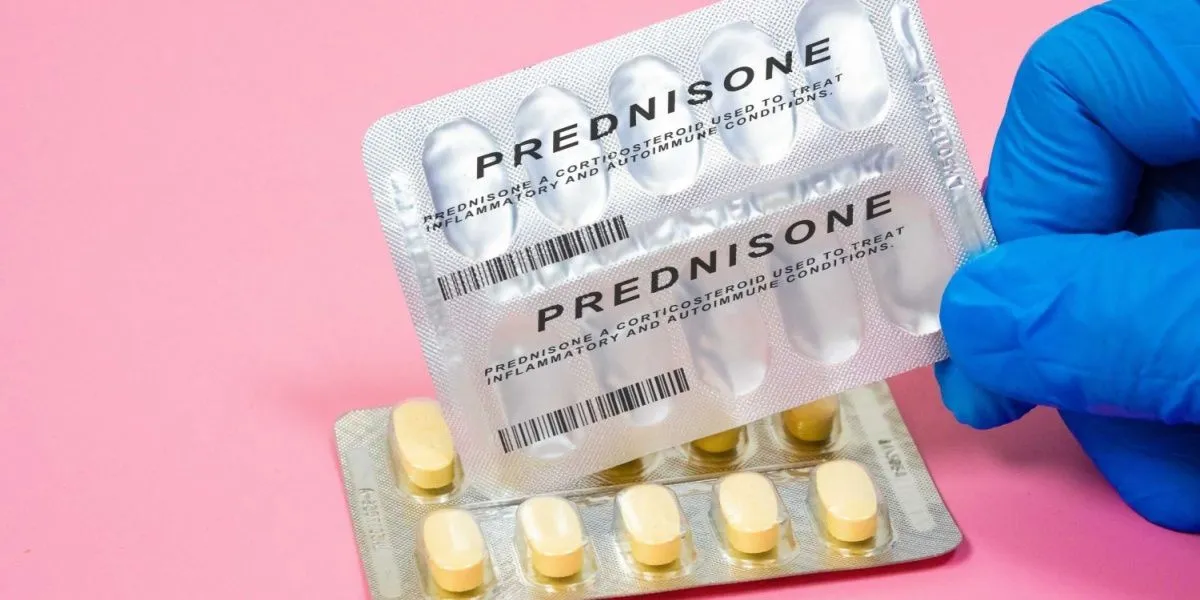
A 5-Day Prednisone Burst Dose is a short-term corticosteroid treatment commonly prescribed to reduce inflammation and suppress an overactive immune response. Healthcare providers may recommend this type of therapy for conditions such as asthma flare-ups, allergic reactions, certain skin disorders, and other inflammatory conditions. Because the treatment is brief, it is often designed to provide rapid symptom relief while minimizing the risks associated with long-term steroid use.
Prednisone belongs to a class of medications called corticosteroids. These medications work by reducing inflammation throughout the body, helping to relieve symptoms such as swelling, redness, pain, and breathing difficulties. While many patients experience noticeable improvement within a few days, it is important to understand how the medication works, why it is prescribed, and what potential side effects may occur.
Understanding the purpose of a short-course steroid treatment can help patients feel more informed and prepared when discussing treatment options with their healthcare provider.
What Is a 5-Day Prednisone Burst Dose?
A prednisone burst refers to a short course of treatment that typically lasts a few days. The goal is to quickly control inflammation and improve symptoms without requiring long-term steroid therapy.
Unlike extended treatment plans that may continue for weeks or months, a short burst is generally intended to provide immediate relief during an acute flare-up or medical event.
Healthcare providers commonly prescribe short courses of prednisone for situations such as:
- Asthma exacerbations
- Severe allergic reactions
- Chronic obstructive pulmonary disease (COPD) flare-ups
- Certain autoimmune disease flare-ups
- Severe skin inflammation
- Sinus inflammation and swelling
- Joint inflammation in selected cases
The exact treatment plan depends on the patient’s condition, age, overall health, and medical history.
Because prednisone affects multiple systems within the body, treatment should always follow the instructions provided by a qualified healthcare professional.
How Prednisone Works in the Body
Prednisone works by reducing inflammation and modifying immune system activity. When the body experiences excessive inflammation, symptoms such as swelling, pain, redness, and tissue irritation can occur.
The medication helps calm these inflammatory responses, allowing affected tissues to recover more effectively.
For example, during an asthma attack, inflammation narrows the airways and makes breathing difficult. Prednisone can help reduce airway swelling, improving airflow and reducing symptoms.
In allergic reactions, inflammation may contribute to skin irritation, swelling, and discomfort. By decreasing the inflammatory response, prednisone can help reduce symptom severity.
One reason healthcare providers use short courses is that prednisone often begins working relatively quickly compared to many other medications used for inflammatory conditions.
The medication’s effectiveness varies depending on the specific condition being treated and individual patient factors.
Common Conditions Treated with Short-Term Prednisone Therapy
Short courses of prednisone are frequently used in various medical situations where rapid inflammation control is necessary.
Asthma Flare-Ups
One of the most common uses is helping manage moderate to severe asthma exacerbations. Reducing airway inflammation can help restore normal breathing and prevent worsening symptoms.
Allergic Reactions
Severe allergic responses may involve significant inflammation that requires medical treatment. Prednisone can help reduce symptoms and support recovery.
COPD Exacerbations
People with chronic obstructive pulmonary disease may experience periods of worsening symptoms. Corticosteroids are sometimes used to help control inflammation during these episodes.
Skin Conditions
Certain inflammatory skin conditions, including severe rashes and dermatitis flare-ups, may respond to short-term steroid therapy.
Autoimmune Conditions
Some autoimmune diseases involve periods of increased inflammation. Healthcare providers may use brief steroid courses to help manage these flare-ups.
Treatment decisions are based on careful evaluation of each patient’s medical condition and overall health status.
Potential Benefits of a Short Prednisone Course
A short prednisone treatment may provide several benefits when prescribed appropriately.
One major advantage is rapid symptom relief. Many patients notice improvement in inflammation-related symptoms within a relatively short period.
Potential benefits may include:
- Reduced swelling
- Improved breathing in respiratory conditions
- Less pain and discomfort
- Reduced redness and irritation
- Improved mobility in certain inflammatory conditions
- Faster recovery from acute flare-ups
Because the treatment duration is short, healthcare providers may be able to achieve symptom control while limiting some of the risks associated with long-term corticosteroid use.
Another benefit is convenience. Short treatment plans are often easier for patients to follow compared to extended medication schedules.
However, the effectiveness of treatment depends on the condition being treated and the patient’s individual response.
Possible Side Effects and Safety Considerations
Even though a 5-day course is relatively short, prednisone can still cause side effects in some individuals.
Common short-term side effects may include:
- Increased appetite
- Difficulty sleeping
- Mood changes
- Restlessness
- Headaches
- Mild stomach discomfort
- Temporary increases in blood sugar levels
Some individuals may experience more noticeable reactions than others.
People with certain medical conditions, such as diabetes, high blood pressure, or existing infections, may require closer monitoring during treatment.
Patients should also inform their healthcare provider about any medications they are taking, as prednisone can interact with various drugs.
Although short courses generally carry fewer risks than prolonged steroid therapy, medical supervision remains important to ensure safe use.
Patients should never adjust treatment instructions without consulting their healthcare provider.
Tips for Managing Treatment Successfully
Following treatment instructions carefully helps maximize benefits and reduce potential complications.
Take medication exactly as prescribed. Consistency helps maintain appropriate therapeutic effects throughout the treatment period.
Some patients find it helpful to take prednisone with food to minimize stomach irritation. However, individual instructions may vary based on the prescribing healthcare provider’s recommendations.
It is also beneficial to:
- Stay hydrated
- Monitor symptoms
- Report unexpected side effects
- Follow all follow-up recommendations
- Avoid skipping doses unless instructed
Maintaining open communication with healthcare providers helps ensure any concerns are addressed promptly.
Patients should also remember that improvement may occur gradually, depending on the condition being treated.
Final Thought
A 5-Day Prednisone Burst Dose can be an effective short-term treatment option for various inflammatory and immune-related conditions. By reducing inflammation quickly, prednisone often helps relieve symptoms and improve recovery during acute flare-ups.
While short courses generally present fewer risks than long-term steroid therapy, they still require proper medical supervision and careful adherence to prescribed instructions. Understanding how the medication works, what benefits to expect, and which side effects may occur can help patients feel more confident during treatment.
Because every medical situation is unique, treatment decisions should always be made in consultation with a qualified healthcare professional who can evaluate individual needs and provide personalized guidance.
FAQs
What is a prednisone burst?
A prednisone burst is a short course of corticosteroid treatment designed to quickly reduce inflammation and manage acute symptoms.
Why do doctors prescribe short-term prednisone?
Healthcare providers may prescribe short courses to treat conditions such as asthma flare-ups, allergic reactions, inflammatory skin conditions, and certain autoimmune disease flare-ups.
How quickly does prednisone start working?
Many patients notice symptom improvement within a few days, although response times vary depending on the condition being treated.
Are side effects common during a short prednisone course?
Some individuals may experience temporary side effects such as increased appetite, sleep disturbances, mood changes, or mild stomach discomfort.
Can prednisone affect blood sugar levels?
Yes. Prednisone may temporarily increase blood sugar levels, especially in individuals with diabetes or other metabolic conditions.
Should prednisone be taken with food?
Some patients take prednisone with food to reduce stomach irritation, but patients should always follow their healthcare provider’s instructions.
Is a short prednisone course safer than long-term use?
Short-term treatment generally carries fewer risks than prolonged corticosteroid therapy, but medical supervision is still important for safe and effective use.
