
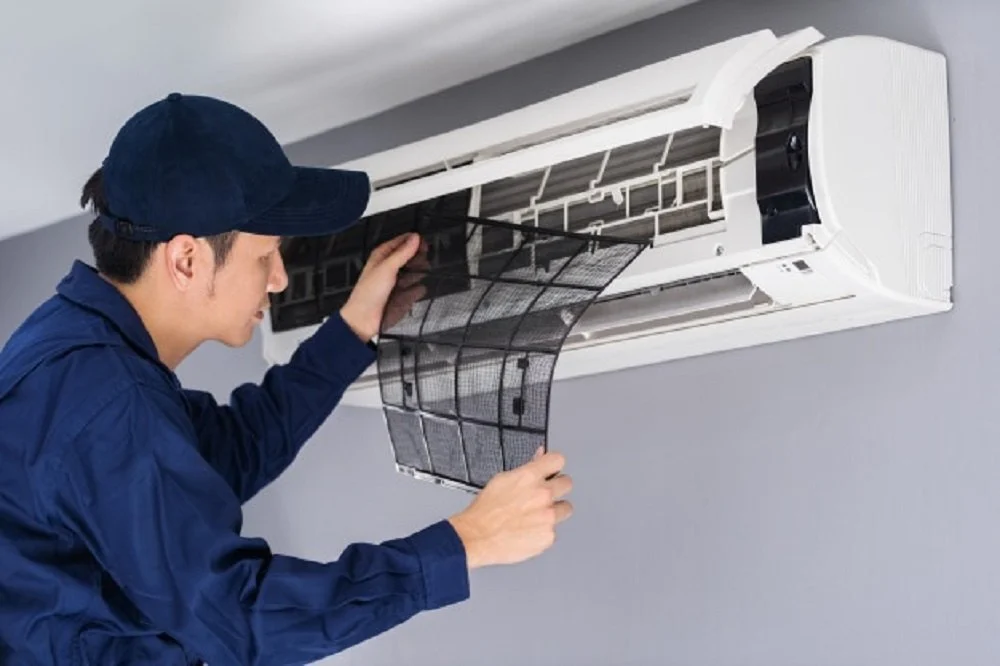
Air conditioning installation plays a crucial role in determining how well a cooling system performs over its lifetime. A properly installed system not only ensures consistent indoor comfort but also improves energy efficiency, reduces repair costs, and extends equipment lifespan. Whether for a home, office, or commercial space, installation quality is just as important as the air conditioner itself.
Many people focus only on buying a high-quality AC unit, but even the best system can underperform if it is installed incorrectly. Poor installation can lead to uneven cooling, higher electricity bills, frequent breakdowns, and reduced comfort. On the other hand, a professional and well-planned setup ensures the system runs smoothly from day one.
This guide explains the full process of air conditioning installation, key considerations before setup, common mistakes to avoid, and tips for maintaining performance after installation.
Table of Contents
ToggleUnderstanding the Basics of Air Conditioning Installation
Air conditioning installation involves more than simply placing a unit on a wall or outside a building. It is a technical process that requires proper planning, accurate calculations, and professional execution.
A standard installation typically includes:
- Selecting the correct system type
- Determining cooling capacity based on room size
- Installing indoor and outdoor units
- Setting up refrigerant lines and drainage systems
- Electrical wiring and safety checks
- System testing and calibration
Each of these steps must be completed carefully to ensure the system functions efficiently. Even small errors, such as incorrect refrigerant charging or poor airflow design, can significantly affect performance.
There are different types of air conditioning systems, including split ACs, central HVAC systems, window units, and ductless mini-splits. The installation process varies depending on the system type and building structure.
Understanding these basics helps property owners make better decisions and communicate effectively with HVAC professionals.
Planning Before Air Conditioning Installation
Proper planning is one of the most important steps in ensuring a successful installation. Many performance issues arise not from the equipment itself but from poor planning.
Choosing the Right System Size
Selecting the correct cooling capacity is essential. An undersized system will struggle to cool the space, while an oversized system may cycle on and off too frequently, wasting energy and reducing comfort.
Evaluating Room or Building Layout
The layout of the space affects airflow and cooling distribution. Open areas, multiple rooms, high ceilings, and sunlight exposure must all be considered before installation.
Electrical Requirements
Air conditioning systems require stable and adequate electrical supply. Before installation, wiring and circuit capacity should be checked to avoid overloads or safety issues.
Placement Considerations
Indoor and outdoor unit placement directly affects efficiency. Poor placement can restrict airflow, increase noise levels, and reduce system performance.
Budget and Long-Term Costs
While initial installation costs are important, long-term energy consumption and maintenance expenses should also be considered when choosing a system.
Proper planning ensures that the system operates efficiently from the start and avoids costly modifications later.
Step-by-Step Air Conditioning Installation Process
The installation process must be handled carefully to ensure safety, efficiency, and long-term performance.
Indoor Unit Installation
The indoor unit is mounted on a wall or ceiling, depending on the system type. It must be placed where air can circulate freely throughout the room without obstruction.
Outdoor Unit Setup
The outdoor unit is installed in a well-ventilated area, usually outside the building. It should be placed on a stable surface to minimize vibration and noise.
Refrigerant Line Connection
Refrigerant pipes connect the indoor and outdoor units. These lines must be properly insulated and sealed to prevent leakage and energy loss.
Electrical Wiring
Electrical connections are made to power the system. This step must follow safety standards to avoid short circuits or electrical hazards.
Drainage System Setup
A drainage pipe is installed to remove condensation water. Proper drainage prevents water leakage and indoor humidity problems.
System Testing and Calibration
After installation, the system is tested for performance. Technicians check cooling efficiency, airflow, refrigerant levels, and overall operation.
Each step requires precision. Professional installation ensures the system operates safely and efficiently from day one.
Common Air Conditioning Installation Mistakes to Avoid
Installation mistakes can significantly reduce system performance and increase long-term costs. Many of these issues occur due to lack of experience or poor planning.
Incorrect System Sizing
One of the most common mistakes is choosing the wrong capacity. This leads to poor cooling performance and higher energy consumption.
Poor Unit Placement
Installing units in locations with restricted airflow or direct sunlight exposure reduces efficiency and comfort.
Improper Refrigerant Charging
Too much or too little refrigerant affects cooling performance and can damage the compressor over time.
Weak Electrical Setup
Using incorrect wiring or unstable power supply can cause system failures and safety risks.
Ignoring Insulation and Sealing
Poor insulation around pipes or ducts leads to energy loss and reduced cooling efficiency.
Avoiding these mistakes ensures better performance and helps extend the lifespan of the system.
Maintenance After Air Conditioning Installation
After installation, regular maintenance is essential to keep the system running efficiently. Even a perfectly installed system will lose performance without proper care.
Regular Filter Cleaning
Air filters should be cleaned or replaced regularly to maintain airflow and indoor air quality.
Checking Refrigerant Levels
Refrigerant levels should be inspected periodically to ensure optimal cooling performance.
Cleaning Coils and Components
Dust and debris buildup on coils reduces efficiency and increases energy consumption.
Inspecting Electrical Connections
Loose or damaged wiring can cause system failures or safety issues.
Scheduling Professional Servicing
Routine servicing helps detect problems early and prevents costly repairs.
Proper maintenance ensures that the benefits of professional installation last for many years.
Benefits of Professional Air Conditioning Installation
Choosing professional installation services offers several long-term advantages compared to DIY or inexperienced setup.
Better Energy Efficiency
A properly installed system consumes less electricity and delivers better cooling performance.
Longer System Lifespan
Correct installation reduces strain on components, helping the system last longer.
Improved Comfort
Even temperature distribution ensures a more comfortable indoor environment.
Fewer Repairs
Proper setup reduces the risk of breakdowns and expensive repair costs.
Safety Assurance
Professional installation follows safety standards, reducing risks related to electricity and refrigerant handling.
Investing in professional installation often saves more money in the long run compared to cutting initial costs.
Final Thought
Air conditioning installation is a critical step that determines how effectively a cooling system performs over time. A well-installed system provides consistent comfort, lower energy bills, and fewer maintenance issues, while poor installation can lead to ongoing problems and unnecessary expenses.
By focusing on proper planning, correct system selection, and professional installation practices, property owners can ensure long-term efficiency and reliability. Equally important is regular maintenance, which helps preserve system performance and extend its lifespan.
Ultimately, installation is not just a one-time task—it is the foundation of an efficient and reliable cooling system. Making informed decisions during this stage ensures better comfort, improved energy savings, and long-lasting value.
FAQs
How long does air conditioning installation take?
Most standard installations take between 4 to 8 hours, depending on system type and building complexity.
What is the cost of air conditioning installation?
Costs vary based on system size, type, and location, but typically include equipment, labor, and additional materials.
Can I install an air conditioner myself?
While small units may be self-installed, professional installation is recommended for most systems to ensure safety and efficiency.
How do I choose the right AC size?
The correct size depends on room dimensions, insulation, sunlight exposure, and occupancy levels. A professional load calculation is recommended.
What happens if AC installation is done incorrectly?
Incorrect installation can lead to poor cooling, higher electricity bills, frequent breakdowns, and reduced system lifespan.
How often should I service my air conditioner after installation?
It is recommended to service your AC at least once or twice a year for optimal performance.
Why is professional installation important?
Professional installation ensures correct setup, improved efficiency, safety compliance, and long-term system reliability.
